Fashion Sustainability: Beyond the Buzzword
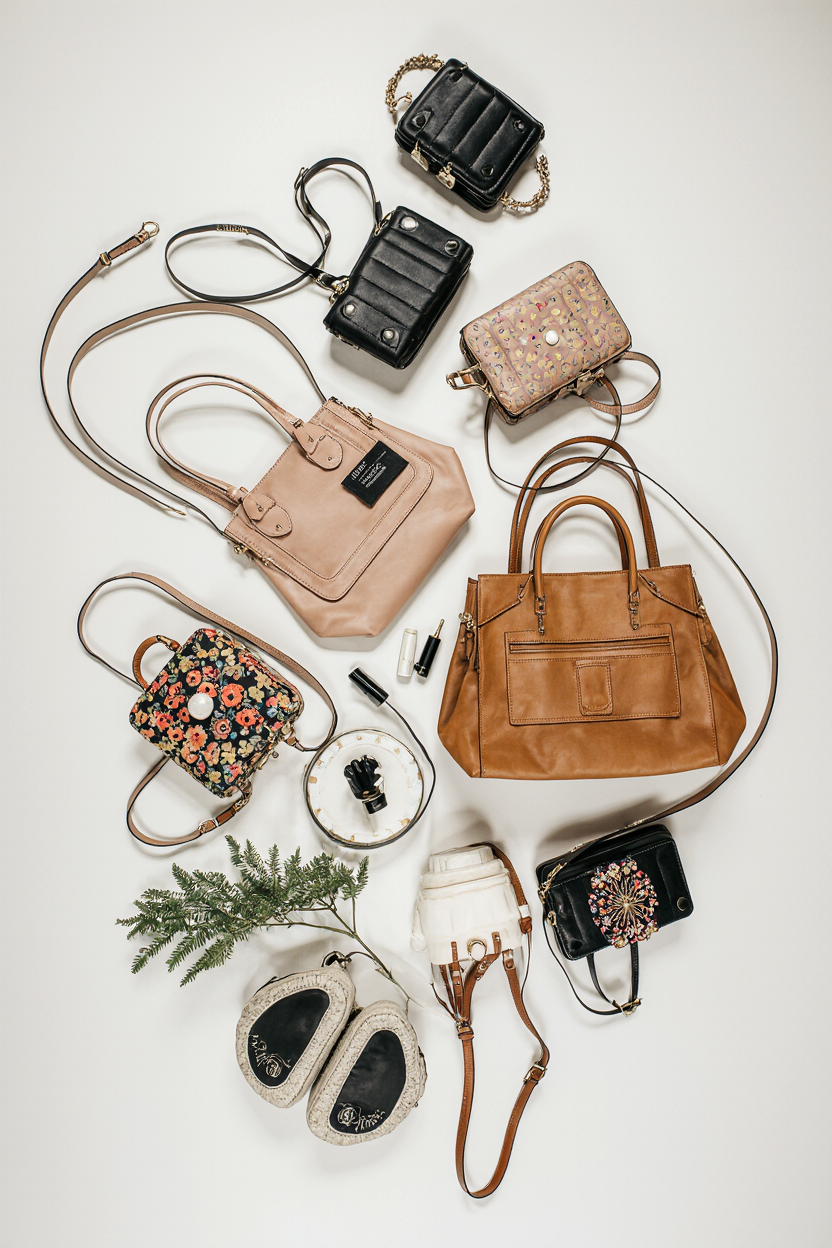
In an industry full of slogans and labels, “fashion sustainability” can feel like just another buzzword. But when we look past the marketing, we find a deeper question: What does true sustainable fashion look like? And more importantly, how can we embrace lasting change that respects people, materials, and the planet?
Why “Sustainable Fashion” Can Feel Like a Trap
The fashion industry produces enormous volumes of clothing every year — much of it worn only briefly before disposal. A recycled T-shirt or eco-friendly capsule collection rarely addresses the root issue: overproduction and disposability. The real problem isn’t only the materials used — it’s the culture of constant newness that fuels waste.
Longevity: The Heart of Slow Fashion
One truly sustainable piece is the one you wear again and again. Unlike fast fashion, which encourages a disposable mindset, slow fashion values timeless design, quality craftsmanship, and versatility. These are the principles that help garments (and accessories) last far beyond a single season — reducing their overall environmental impact.
Beyond Materials: Understanding Trade-Offs
You may see labels like organic cotton, bamboo, or recycled polyester, but no fabric is entirely impact-free. Some natural fibres require more water or processing than expected; synthetics can shed microplastics. The key is understanding these trade-offs and choosing items that combine durability with thoughtful material choice.
When Fashion Meets Technology
Smart textiles, wearables, and accessories with power capabilities can offer real utility — but they also raise new sustainability questions. Technology introduces components like batteries or mineral-based parts that are harder to recycle. A future-driven approach focuses on modular design and replaceable elements, so technology doesn’t become a burden when its lifecycle ends.
Circular Fashion: A More Thoughtful Cycle
True sustainability relies on moving from a linear model (“make, wear, dispose”) to a circular one (“wear, repair, resell, recycle”). Circular fashion extends product life and encourages choices like:
-
thrift and resale
-
repair and maintenance
-
responsible end-of-life recycling
These habits reduce waste and honour the full lifecycle of garments and accessories.
Progress Over Perfection
No wardrobe needs to be perfect. Sustainability is not an absolute — it’s about progress, intention, and mindful consumption. Choosing fewer, better-made pieces and caring for what you already own are simple steps with meaningful impact.
Beyond the Hype
Real fashion sustainability goes beyond labels and hashtags. It asks us to rethink how materials, labour, and design choices interact with the world around us. This mindset can guide every wardrobe decision and, ultimately, reshape how fashion values longevity, ethics, and responsibility.
At ULANE, we approach sustainability as a design responsibility — not a marketing claim.
By focusing on longevity, modularity, and thoughtful materials, we believe fashion and technology can coexist with care, and be returned to season after season.
If this perspective resonates, stay connected as we develop our first piece.